
The Quiet Struggle: Understanding and Treating Anxiety After Abortion

Experiencing anxiety after an abortion is a reality that many people face but few openly discuss. While some individuals may feel relief following the procedure, others encounter persistent emotional distress, guilt, or worry that quietly impacts daily life. These feelings can be overwhelming, affecting relationships, work, and overall well-being. At Dallas March for Life, we understand the delicate nature of post-abortion anxiety and offer compassionate, faith-based, and holistic care to support emotional and spiritual healing.


Recognizing Post-Abortion Anxiety

Post-abortion anxiety can manifest in subtle or overt ways. Many people struggle silently, feeling isolated or ashamed of their emotions. Common signs may include:

  • Persistent worry or restlessness
  • Trouble sleeping or recurring nightmares
  • Emotional withdrawal or difficulty connecting with others
  • Panic attacks or physical symptoms such as tension or a racing heart
  • Feelings of guilt, shame, or inner conflict

Recognizing these symptoms is the first step toward recovery. It is important to understand that anxiety after abortion is a natural emotional response and not a reflection of weakness.


Factors Contributing to Anxiety

Several factors can influence the development and intensity of post-abortion anxiety. Understanding these helps in creating an effective treatment plan.

Personal and Moral Conflict

For individuals whose personal or spiritual beliefs conflict with their decision, guilt and self-judgment can intensify anxiety. Faith-based counseling can provide guidance and a pathway to forgiveness and self-acceptance.

Past Mental Health Challenges

Those with a history of depression, anxiety, or trauma may be more vulnerable to post-abortion emotional distress. Tailored mental health support is critical for addressing these underlying issues.

Social Isolation and Stigma

Fear of judgment often leads individuals to suppress their feelings, which can worsen anxiety. Creating a safe and supportive environment is essential for emotional expression and healing.


Holistic Approaches to Healing

At Dallas March for Life, our holistic approach addresses the mind, body, and spirit, recognizing that true healing requires care on all levels.

Professional Counseling

Individualized therapy provides a safe space to process emotions, identify triggers, and develop coping strategies. Both inpatient and outpatient programs are available to meet diverse needs.

Faith-Based Support

Spiritual guidance can help individuals navigate feelings of guilt and grief while fostering hope, purpose, and emotional resilience. Prayer, meditation, and faith-based reflection are integrated into our programs to promote inner peace.

Mind-Body Wellness Practices

Complementary wellness practices, such as mindfulness exercises, journaling, and gentle physical activity, help reduce tension and restore emotional balance. Establishing routines that support sleep, nutrition, and exercise further strengthens overall well-being.


Practical Steps to Manage Anxiety

While professional support is crucial, individuals can also adopt practical strategies to manage post-abortion anxiety in daily life:

  • Engage in mindfulness or deep breathing exercises
  • Maintain a journal to track emotions and process thoughts
  • Participate in faith-based reflection or prayer
  • Connect with supportive peers or mentorship groups
  • Prioritize self-care with adequate rest, nutrition, and exercise

These steps, combined with holistic and faith-based care, help individuals regain control of their emotions and rebuild confidence in their future.


Finding Hope and Peace

Anxiety after abortion is often a quiet struggle, but it does not have to define the future. Healing is possible with compassionate care, professional guidance, and holistic support. At Dallas March for Life, we provide individualized programs that integrate faith-based care, mental health treatment, and holistic practices to help individuals navigate post-abortion anxiety and reclaim emotional and spiritual well-being.

If you or someone you love is struggling with post-abortion anxiety, reaching out for support is the first step toward lasting peace. Contact Dallas March for Life today to begin your journey of healing, hope, and inner strength.

Restoring Balance: How Holistic Care Helps Ease Post-Abortion Anxiety

Experiencing anxiety after an abortion can be a challenging and often isolating journey. While some individuals feel relief after the procedure, many struggle with lingering emotional distress, guilt, or worry. These feelings can affect daily life, relationships, and overall well-being. At Dallas March for Life, we understand the importance of addressing post-abortion anxiety through a compassionate, holistic approach that supports both the mind and spirit.


Understanding Post-Abortion Anxiety

Post-abortion anxiety is a natural response to emotional, moral, and spiritual conflict. Symptoms may vary, ranging from persistent worry and intrusive thoughts to panic attacks or emotional numbness. Individuals may also experience tension in the body, sleepless nights, or difficulty focusing on daily tasks. Recognizing these symptoms is the first step toward seeking effective support.

Common Signs of Anxiety

  • Persistent worry or emotional tension
  • Trouble sleeping or recurring nightmares
  • Intrusive thoughts or flashbacks
  • Avoidance of places, people, or conversations related to the abortion
  • Feelings of guilt, shame, or emotional detachment

Understanding these signs can empower individuals to reach out for help and begin the healing process.


How Holistic Care Supports Emotional Recovery

Holistic care addresses the mind, body, and spirit, recognizing that emotional healing is intertwined with physical and spiritual well-being. At Dallas March for Life, our programs integrate professional mental health support with faith-based guidance and wellness practices to create a comprehensive path to recovery.

Faith-Based Guidance

Faith can provide comfort, hope, and direction during times of emotional turmoil. Spiritual support helps individuals process feelings of guilt and grief while fostering forgiveness and self-acceptance. Integrating prayer, meditation, and reflection into recovery encourages emotional resilience and inner peace.

Evidence-Based Mental Health Support

Professional counseling and therapy play a critical role in managing post-abortion anxiety. Our team helps individuals:

  • Identify triggers for anxious thoughts
  • Develop healthy coping strategies
  • Rebuild self-esteem and confidence
  • Process unresolved grief or trauma

Both inpatient and outpatient programs are available, allowing flexibility for individuals to receive care according to their unique needs.

Mind-Body Wellness Practices

Holistic care also includes practices that strengthen the mind-body connection. These can include:

  • Mindfulness exercises to reduce stress and increase focus
  • Journaling to process emotions and track progress
  • Yoga or gentle physical activity to release tension
  • Nutrition and sleep strategies to support emotional stability

These techniques complement therapy and faith-based guidance, creating a comprehensive system of care for lasting recovery.


Practical Steps for Managing Anxiety

While professional support is essential, individuals can also take practical steps to manage anxiety in everyday life:

  • Practice daily mindfulness or deep breathing exercises
  • Maintain a journal to track emotions and identify patterns
  • Engage in supportive communities or group therapy
  • Commit to consistent self-care routines including exercise, rest, and nutrition
  • Incorporate spiritual reflection or prayer to nurture emotional resilience

These strategies, combined with holistic care, help individuals regain control over their emotional health and restore balance in their lives.


Finding Peace Through Holistic Support

Post-abortion anxiety does not have to be a lifelong burden. With compassionate, holistic care that addresses emotional, mental, and spiritual needs, individuals can find peace, resilience, and renewed purpose. At Dallas March for Life, we are committed to helping individuals navigate this journey through faith-based guidance, professional therapy, and personalized support.

If you or a loved one is struggling with post-abortion anxiety, take the first step toward emotional recovery today. Contact Dallas March for Life to begin your path to healing, balance, and lasting peace.

When Anxiety Lingers After Abortion: Steps Toward Emotional Recovery and Inner Strength

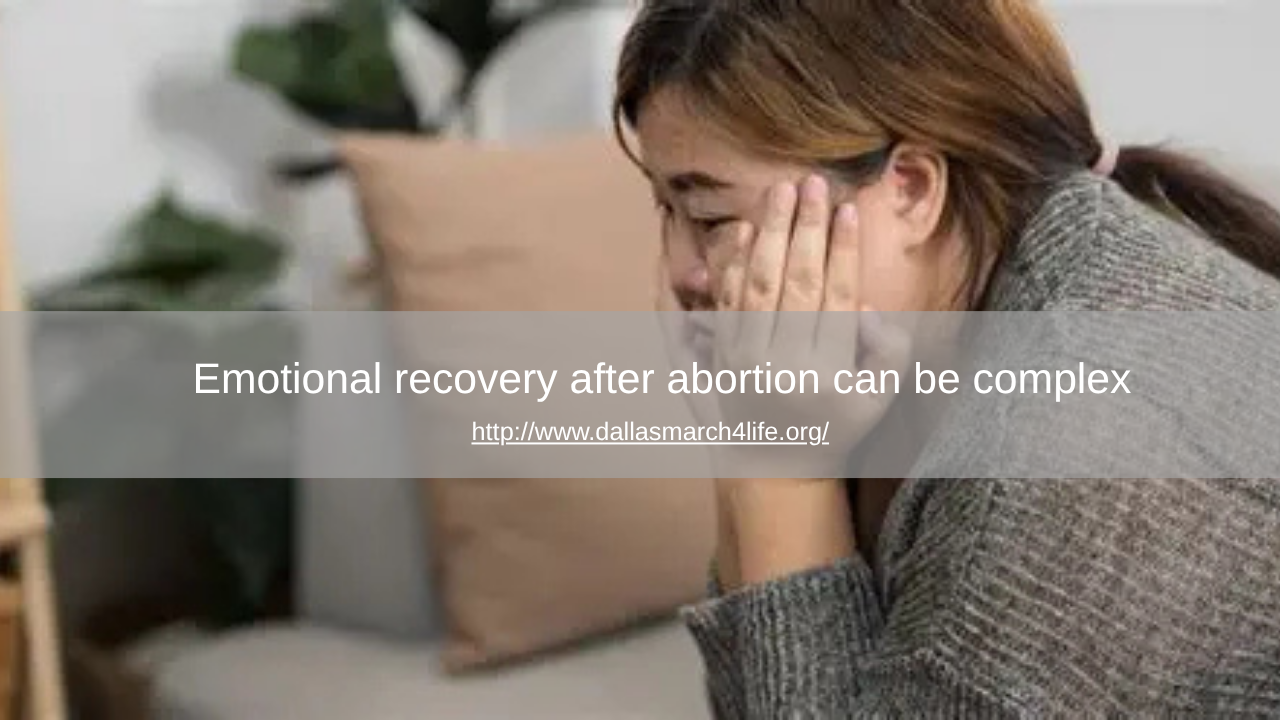
Emotional recovery after abortion can be complex. While some individuals experience relief, others may find themselves struggling with lingering anxiety, guilt, or emotional distress that surfaces weeks, months, or even years later. These feelings are deeply personal and valid. Understanding how to manage post-abortion anxiety is essential for long-term emotional well-being. At Dallas March for Life, we believe in compassionate, holistic, and faith-based healing that addresses not only the mind but also the heart and spirit.


Understanding Post-Abortion Anxiety

Anxiety after abortion is more common than many realize. It may appear as persistent worry, intrusive thoughts, or a sense of emptiness that does not fade with time. For some, it can feel like carrying an invisible burden, making it difficult to engage fully in relationships, work, or personal goals.

Common Symptoms of Post-Abortion Anxiety

Recognizing the emotional and physical signs of anxiety is a crucial first step toward healing. Some of these include:

  • Restlessness, tension, or panic
  • Difficulty sleeping or recurring distressing dreams
  • Feelings of guilt, shame, or regret
  • Avoiding people, places, or conversations that trigger memories
  • Emotional numbness or detachment

These experiences can feel isolating, but you are not alone. Professional counseling and faith-based support can help bring clarity, peace, and renewed strength.


The Importance of Holistic and Faith-Based Healing

At Dallas March for Life, healing is viewed as a journey that integrates emotional recovery with spiritual renewal. Faith-based care helps individuals reconnect with hope, forgiveness, and purpose while building emotional resilience.

Addressing the Whole Person

Our holistic programs focus on the connection between mental, emotional, and spiritual health. Each treatment plan is designed to meet the individual where they are. Through counseling, mindfulness, prayer, and community support, we aim to restore balance to every aspect of life.

  • Inpatient programs provide a structured environment for deep emotional work and reflection.
  • Outpatient programs offer flexibility for those who need continued care while maintaining their daily responsibilities.

Both approaches prioritize compassion, confidentiality, and a personalized path toward recovery.


Practical Steps Toward Emotional Recovery

Healing after abortion requires patience and self-compassion. It is not about forgetting the past but learning to find peace in the present. Below are some meaningful steps that support emotional recovery and inner strength:

1. Seek Professional Counseling

Speaking with a therapist who specializes in trauma, grief, or reproductive mental health can help you process difficult emotions and develop coping strategies.

2. Practice Mindfulness and Self-Care

Daily mindfulness practices such as deep breathing, journaling, or gentle exercise can help calm racing thoughts and bring emotional grounding.

3. Connect with Faith and Community

Faith-based recovery offers a powerful source of comfort and direction. Prayer, scripture reflection, and supportive spiritual communities can foster forgiveness and self-acceptance.

4. Build Healthy Routines

A balanced lifestyle with proper nutrition, rest, and time in nature supports emotional stability. Small changes can have a significant impact on mental clarity and peace of mind.

5. Join a Support Group

Sharing experiences with others who understand can reduce feelings of isolation and promote healing through empathy and connection.


Reclaiming Inner Strength Through Compassionate Care

Post-abortion anxiety does not define who you are. Healing is possible, and every small step forward matters. By embracing professional help, spiritual renewal, and holistic practices, individuals can rediscover inner peace and purpose.

Conclusion

At Dallas March for Life, we understand the deep emotional challenges that can follow an abortion. Our compassionate, faith-based programs are designed to guide individuals toward emotional healing and spiritual restoration. Whether you need inpatient or outpatient care, our team will walk beside you with empathy, respect, and understanding.

If you or someone you love is experiencing anxiety after abortion, take the first step toward healing today. Reach out to Dallas March for Life to begin your journey toward emotional recovery and renewed strength.

Healing the Mind and Spirit: Overcoming Post-Abortion Anxiety Through Faith-Based Support

Experiencing anxiety after an abortion is a deeply personal and often isolating struggle. While some individuals may feel relief following the procedure, others encounter persistent emotional unrest, guilt, or worry that can affect daily life. Post-abortion anxiety is real and valid, and addressing it requires compassionate, holistic care that honors both the mind and the spirit. At Dallas March for Life, we provide faith-based, individualized support designed to help people heal emotionally, mentally, and spiritually.


Understanding Post-Abortion Anxiety

Anxiety following abortion can manifest in many ways, from racing thoughts and sleepless nights to emotional withdrawal and difficulty concentrating. These responses are often compounded by guilt, moral conflict, or social stigma, making it challenging to process emotions alone. Recognizing these symptoms is a crucial first step toward healing.

Common Signs and Symptoms

  • Persistent feelings of worry or fear
  • Panic attacks or emotional tension
  • Difficulty sleeping or recurring nightmares
  • Avoidance of conversations or environments connected to the experience
  • Feelings of guilt, shame, or emotional numbness

It is important to understand that these reactions are natural responses to emotional and spiritual challenges. Compassionate care and professional support can help individuals navigate this difficult period and find lasting peace.


The Role of Faith-Based Support in Healing

Faith can be a powerful foundation for emotional recovery. Integrating spiritual guidance with professional mental health treatment allows individuals to address both internal and external sources of anxiety.

Holistic Healing for the Mind, Body, and Spirit

At Dallas March for Life, our programs focus on treating the whole person. Faith-based support provides a safe space to process emotions while reconnecting with spiritual values. Holistic practices such as mindfulness, meditation, journaling, and prayer complement therapeutic interventions to foster emotional resilience and spiritual renewal.

Inpatient and Outpatient Care Options

  • Inpatient care offers structured, intensive support for individuals who need to focus fully on emotional and spiritual healing. This environment provides daily counseling, wellness activities, and faith-guided reflection.
  • Outpatient care allows individuals to maintain daily responsibilities while participating in counseling sessions, group therapy, and holistic healing practices.

Both options emphasize personalized care tailored to each person’s unique emotional and spiritual needs.


Practical Strategies for Managing Post-Abortion Anxiety

Alongside professional support, there are everyday strategies that can help individuals reduce anxiety and build emotional strength:

  • Mindfulness and deep breathing exercises to calm the mind and reduce stress
  • Journaling to process emotions and identify triggers
  • Support groups or mentorship for shared experiences and accountability
  • Self-care routines including healthy sleep, nutrition, and exercise
  • Faith-based reflection or prayer to foster inner peace and resilience

Incorporating these strategies into daily life can reinforce the progress made through therapy and spiritual guidance.


Moving Toward Emotional and Spiritual Peace

Post-abortion anxiety can feel overwhelming, but it does not have to define a person’s future. With compassionate care, individualized therapy, and faith-based support, individuals can reclaim emotional balance and spiritual well-being. Healing is possible, and the journey begins with one step toward seeking help.

Conclusion

At Dallas March for Life, we are committed to helping individuals overcome post-abortion anxiety through a compassionate, faith-based, and holistic approach. Our professional team provides personalized care designed to restore emotional, mental, and spiritual health. If you or a loved one is struggling with post-abortion anxiety, reaching out for support today can be the first step toward lasting peace and renewal.