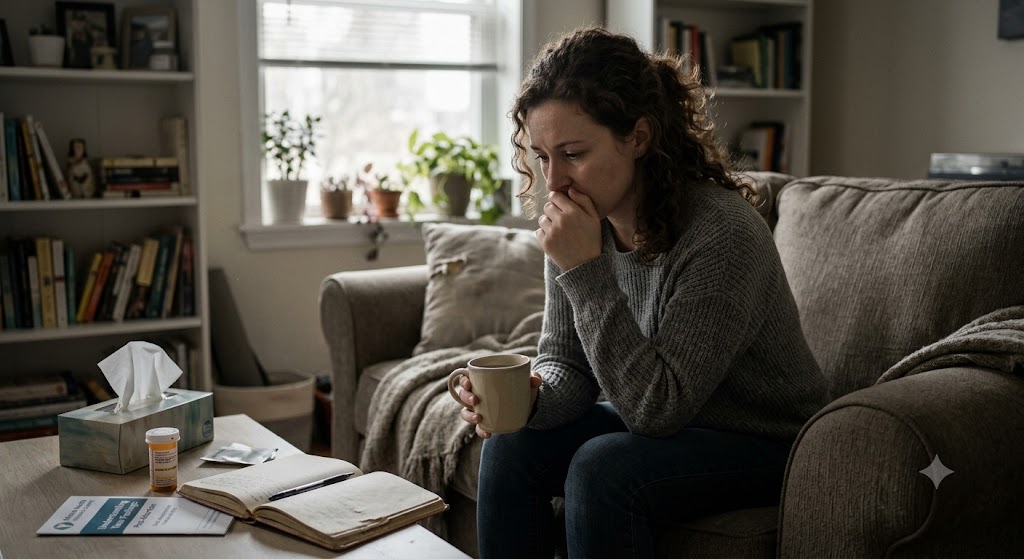
Healing after abortion involves much more than physical recovery. For many women, emotional and mental health challenges can continue long after the procedure, affecting relationships, self-confidence, daily routines, and overall wellbeing. Feelings of grief, anxiety, depression, guilt, or emotional numbness are often deeply personal and can be difficult to discuss. At Dallas March for Life, we believe that being pro life also means being pro healing. Every woman deserves compassionate, individualized care that supports emotional wellness, encourages recovery, and restores hope. Through professional mental health services, addiction recovery support, faith-based guidance, and holistic treatment approaches, lasting healing is possible.
Understanding Mental Health Challenges After Abortion
Every woman’s emotional journey is unique. Personal beliefs, life experiences, family support, and previous mental health history all influence how someone responds emotionally after abortion. Some women recover without significant emotional distress, while others experience challenges that gradually become more difficult to manage.
Mental health concerns that may develop include:
- Depression and ongoing sadness
- Anxiety and excessive worry
- Feelings of guilt or shame
- Emotional numbness
- Grief and unresolved loss
- Sleep disturbances
- Difficulty concentrating
- Symptoms related to emotional trauma
Recognizing these challenges is an important step toward seeking meaningful support and beginning the healing process.
Why Emotional Healing Matters
Mental health is an essential part of overall health. Emotional pain that remains untreated can affect every aspect of daily life. Relationships may become strained, work performance may decline, and physical health can also suffer under prolonged emotional stress.
Many women feel pressure to suppress difficult emotions or believe they should simply move forward. However, healing rarely happens by ignoring emotional wounds. Compassionate care creates an opportunity to understand those emotions, process them in healthy ways, and develop the resilience needed for long-term recovery.
The Link Between Emotional Distress and Addiction
Unresolved emotional pain can sometimes lead to unhealthy coping behaviors. Alcohol or drug use may appear to offer temporary relief from anxiety, grief, or emotional discomfort. Unfortunately, substance use often worsens mental health symptoms and creates additional barriers to healing.
This is why comprehensive treatment is so valuable. Addressing both mental health concerns and addiction together helps women identify the root causes of their struggles while learning healthier ways to manage difficult emotions.
Integrated care provides a stronger foundation for lasting recovery and improved emotional wellbeing.
Compassionate Care Options That Promote Recovery
Healing is not a one size fits all process. Dallas March for Life supports individualized care that reflects each woman’s emotional, physical, and spiritual needs.
Individual Counseling
Private counseling offers a confidential environment where women can openly discuss their experiences without fear of judgment. Licensed therapists help individuals process grief, reduce anxiety, address trauma, and build practical coping strategies.
Group Therapy and Peer Support
Many women discover hope by connecting with others who have experienced similar emotional challenges. Group therapy creates opportunities for encouragement, shared understanding, and emotional growth while reducing feelings of isolation.
Faith-Based Counseling
Faith can be a powerful source of comfort during recovery. Faith-based counseling combines professional therapeutic care with biblical principles that encourage forgiveness, hope, healing, and renewed purpose.
Inpatient Treatment Programs
Women experiencing severe emotional distress or co-occurring substance use disorders may benefit from inpatient treatment. These structured programs provide intensive therapeutic care in a safe and supportive environment where recovery can become the primary focus.
Outpatient Treatment Programs
Outpatient care allows women to receive professional counseling while maintaining work, family, or educational responsibilities. Flexible treatment schedules provide consistent support while encouraging steady emotional progress.
Holistic Healing Approaches
Whole person healing recognizes the connection between emotional, physical, and spiritual health. Mindfulness, stress management, healthy nutrition, physical wellness, spiritual care, and lifestyle education all contribute to improved emotional resilience and long-term recovery.
Practical Steps Toward Emotional Healing
Although every recovery journey is different, several healthy habits can strengthen emotional wellness over time.
Reach Out for Professional Support
Seeking help early often prevents emotional struggles from becoming more severe. Speaking with a qualified mental health professional provides valuable guidance and reassurance.
Build a Strong Support Network
Supportive relationships with trusted family members, friends, counselors, and faith communities create encouragement and accountability throughout recovery.
Practice Healthy Coping Skills
Exercise, prayer, journaling, meditation, creative hobbies, and relaxation techniques help manage stress while improving emotional balance.
Prioritize Self-Care
Consistent sleep, balanced nutrition, regular physical activity, and healthy daily routines strengthen both physical and emotional wellbeing.
Give Yourself Grace
Healing is a gradual process. Progress may not always feel consistent, but every positive step contributes to greater emotional strength and personal growth.
A Personalized Path Toward Recovery
No woman should feel that she must carry emotional pain alone. Compassionate, individualized treatment allows women to process difficult experiences in a supportive environment while building healthier coping strategies for the future.
At Dallas March for Life, care is centered on the whole person. Emotional healing, mental wellness, addiction recovery, spiritual growth, and physical wellbeing are all essential parts of lasting recovery. Every treatment plan is developed with respect, compassion, and a commitment to helping women reclaim hope.
Conclusion
Being pro life also means being committed to healing. Addressing mental health challenges after abortion requires understanding, compassion, and access to professional care that supports the whole person. Through individualized counseling, addiction recovery services, inpatient and outpatient treatment, faith-based guidance, and holistic therapies, women can move beyond emotional pain and build healthier, more hopeful lives.
If you or someone you love is struggling after abortion, Dallas March for Life is here to provide compassionate support every step of the way. Reaching out today can be the beginning of emotional healing, renewed strength, and lasting wellness.